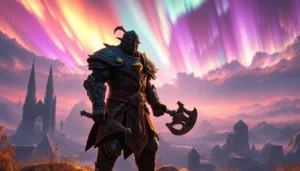
World of Warcraft examples reveal why Blizzard’s flagship MMO has captivated millions of players since 2004. The game offers legendary raids, compelling storylines, intense PvP combat, and social experiences that few other games can match. These World of Warcraft examples showcase the design choices, memorable moments, and community-driven features that transformed a video game into a cultural phenomenon. Whether someone played during vanilla or joined in recent expansions, certain experiences define what makes WoW special. This article breaks down the most iconic World of Warcraft examples across raids, story arcs, player combat, and community gameplay.
Table of Contents
ToggleKey Takeaways
- World of Warcraft examples of legendary raids like Molten Core and Icecrown Citadel set the standard for MMO endgame content and cooperative gameplay.
- Iconic character arcs such as Arthas’s fall and Illidan’s redemption showcase how WoW delivers emotional storytelling across years of updates.
- PvP content ranging from Alterac Valley’s massive battles to arena esports created competitive World of Warcraft examples that shaped online gaming culture.
- Guild culture, server communities, and in-game events fostered social connections that kept players engaged for over two decades.
- From dungeons like Deadmines to world events like the Corrupted Blood incident, WoW’s design choices influenced countless MMOs that followed.
Classic Raids and Dungeons That Shaped Gaming History
World of Warcraft examples of legendary PvE content start with raids that required coordination, skill, and patience. These encounters pushed players to work together in ways few games had demanded before.
Molten Core stands as the original 40-player raid that taught an entire generation of gamers what endgame content could look like. Players spent months learning boss mechanics, farming fire resistance gear, and wiping repeatedly on Ragnaros. The sense of accomplishment when a guild finally downed the Firelord? Unmatched.
Naxxramas arrived late in vanilla WoW and remains one of the most celebrated World of Warcraft examples of raid design. The four wings, Arachnid, Plague, Military, and Construct, each presented unique challenges. Kel’Thuzad at the end required near-perfect execution. Many guilds never cleared it before The Burning Crusade launched.
Karazhan changed raiding forever by reducing team size to 10 players. This Tower in Deadwind Pass featured opera events, chess matches against echo versions of Medivh, and atmospheric storytelling that made every pull feel meaningful. World of Warcraft examples rarely get better than the first time players heard “Tonight… a tale of terrible tragedy” before the Opera event.
Icecrown Citadel delivered the conclusion to the Arthas storyline that players had followed since Warcraft III. The Lich King encounter featured multiple phases, tight DPS checks, and one of gaming’s most memorable cutscenes. This raid showed how World of Warcraft examples of boss design had evolved dramatically since Molten Core.
Dungeons like Deadmines, Stratholme, and Scholomance also deserve recognition. They introduced players to group content and told stories that connected to larger world events. These World of Warcraft examples of dungeon design influenced countless MMOs that followed.
Memorable Storylines and Character Arcs
World of Warcraft examples of storytelling demonstrate how an MMO can deliver emotional narratives across years of content updates.
Arthas Menethil’s fall from paladin prince to Lich King represents the most iconic character arc in Warcraft history. Players watched him descend into darkness through Warcraft III, then spent years in WoW building toward the confrontation at Icecrown. His death scene, “Father… is it over?”, still hits hard.
Illidan Stormrage received one of gaming’s best redemption arcs during Legion. Once a villain players killed in Black Temple, he returned as an antihero fighting the Burning Legion. The “You are not prepared” line became a meme, but Legion gave his character genuine depth. These World of Warcraft examples show how Blizzard can evolve characters over decades.
Sylvanas Windrunner’s journey from ranger general to Banshee Queen to… whatever happened in Shadowlands sparked endless debate. Her burning of Teldrassil remains one of the most controversial World of Warcraft examples of story decisions. Players still argue about whether her arc made sense.
Wrathion and Anduin’s friendship offered a different type of storytelling. Watching these characters grow from young leaders to central figures in Dragonflight showed how WoW could handle slower, more personal narratives alongside world-ending threats.
Quest chains like the Wrathgate cinematic, the Broken Shore opening, and Revendreth’s Sire Denathrius storyline prove that World of Warcraft examples of narrative design can rival single-player RPGs when Blizzard commits to the storytelling.
Player Versus Player Combat Examples
World of Warcraft examples of PvP content range from massive battlegrounds to intense arena matches that require split-second decisions.
Alterac Valley defined large-scale PvP warfare. This 40v40 battleground featured NPCs, objectives, and matches that could last hours. Old-school AV games sometimes ran overnight, with players logging out and back in to continue fighting. Modern versions play faster, but veterans remember when controlling mines and summoning bosses actually mattered.
Warsong Gulch offered pure capture-the-flag action. Three-flag games created legendary moments, rogues vanishing with flags, druids sprinting across the field in travel form, and clutch kills at the flag room. World of Warcraft examples of competitive PvP often started here.
Arena combat introduced in The Burning Crusade changed everything. 2v2, 3v3, and 5v5 brackets created an esports scene. Compositions like RMP (Rogue, Mage, Priest) became famous. Players learned to track cooldowns, coordinate crowd control, and execute precise burst windows. The AWC (Arena World Championship) turned World of Warcraft examples of competitive play into spectator events.
World PvP provided organic, unscripted conflict. Tarren Mill versus Southshore battles in vanilla. Halaa fights in Nagrand. The Timeless Isle chaos during Mists of Pandaria. These World of Warcraft examples remind players that some of the best moments happen without queues or brackets.
PvP seasons, rated battlegrounds, and War Mode continue offering competitive players reasons to gear up and fight.
Community and Social Gameplay Experiences
World of Warcraft examples of community engagement show why the game retained players for two decades.
Guild culture shaped how millions experienced the game. Raiding guilds created schedules, loot systems (DKP, loot council, EPGP), and hierarchies. Social guilds offered chat companions and help with group content. The bonds formed in guild chat and Discord servers often lasted longer than the game itself.
Server communities mattered before cross-realm features. Players knew the top guilds, the annoying Trade chat regulars, and the PvP legends on their server. Running into the same players while questing created organic social connections. World of Warcraft examples of server identity have faded somewhat, but older players remember when reputation on a server meant something.
Holidays and events brought players together. The Corrupted Blood incident, when a raid debuff spread uncontrollably and killed players in cities, became an actual epidemiology case study. Love is in the Air, Brewfest, and Hallow’s End gave casual players goals. The opening of Ahn’Qiraj required entire servers to farm materials together.
Role-playing servers hosted player-created storylines, in-character guilds, and events that Blizzard never scripted. World of Warcraft examples of emergent gameplay flourished on these servers.
The auction house, group finder tools, and mythic+ dungeon communities keep social gameplay alive today. Players still form groups, negotiate trades, and build friendships through shared experiences.