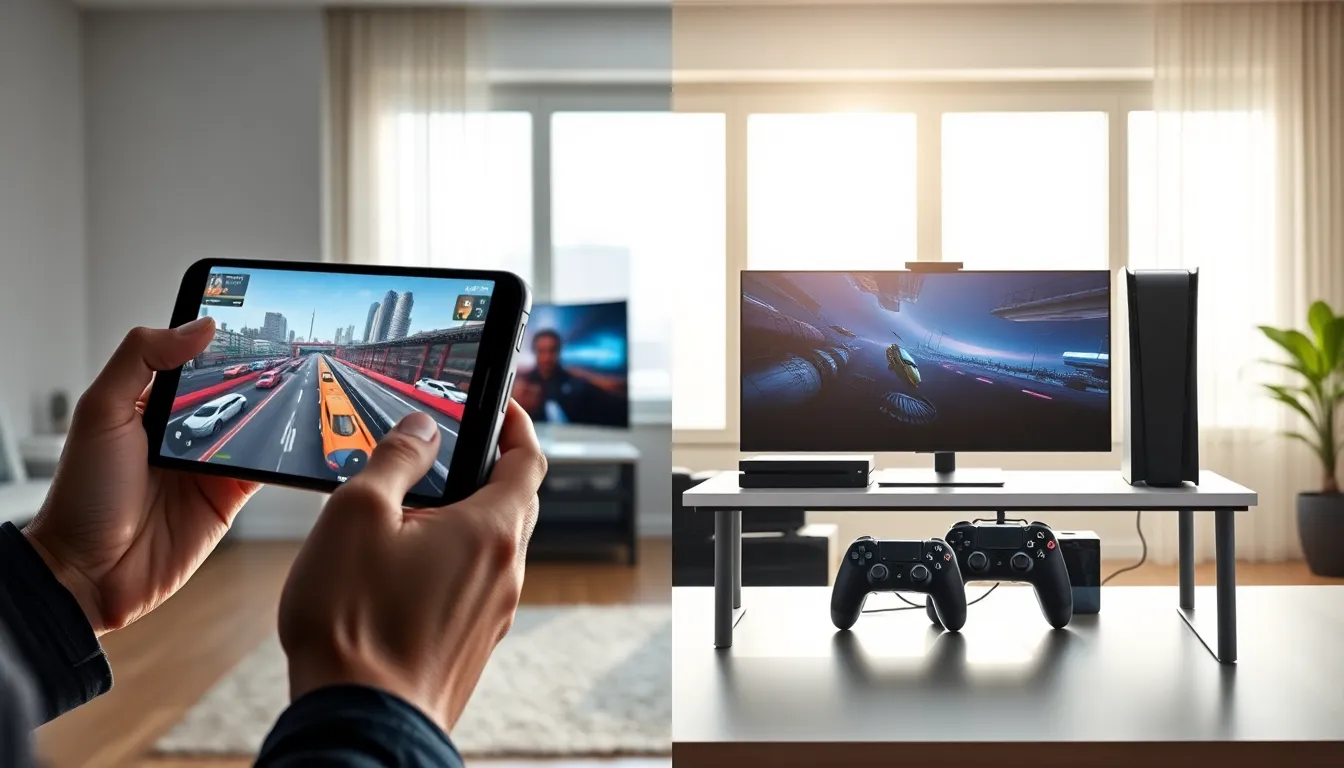
Mobile gaming vs console and PC gaming, it’s a debate that sparks strong opinions. Some players swear by their smartphones, while others refuse to play anything without a controller or keyboard in hand. The truth? Each platform serves different needs, budgets, and lifestyles.
In 2024, mobile gaming generated over $90 billion in revenue globally. Console and PC gaming combined brought in roughly $100 billion. These numbers show that mobile gaming isn’t just casual entertainment anymore. It’s a major force in the industry.
But revenue doesn’t tell the whole story. Performance, game selection, cost, and convenience all matter when choosing a gaming platform. This guide breaks down the key differences between mobile gaming vs console and PC gaming. By the end, readers will know which option fits their gaming style best.
Table of Contents
ToggleKey Takeaways
- Mobile gaming generated over $90 billion in 2024, proving it’s a major industry force alongside console and PC gaming.
- Mobile gaming vs console and PC differs most in portability, graphics power, and session length—each serves different lifestyles.
- Smartphones offer the lowest entry cost since most people already own one, while consoles start at $500 and gaming PCs at $800+.
- Console and PC platforms dominate AAA exclusives and high-fidelity graphics, but mobile excels in casual, puzzle, and quick-session games.
- Free-to-play models make mobile gaming accessible, though aggressive microtransactions can add hidden costs over time.
- Many gamers benefit from combining platforms—using mobile for quick sessions and console or PC for immersive home experiences.
Key Differences Between Mobile and Traditional Gaming Platforms
The mobile gaming vs console debate starts with fundamental platform differences. Each device offers distinct advantages.
Hardware Design
Smartphones pack gaming capability into pocket-sized devices. Players can game anywhere, on buses, during lunch breaks, or while waiting in line. Console and PC setups require dedicated space and power outlets. They’re stationary by nature.
Input Methods
Mobile games rely on touchscreens, gyroscopes, and virtual buttons. This limits certain game types but enables intuitive controls for puzzle and strategy games. Consoles use controllers with physical buttons, triggers, and analog sticks. PCs offer keyboard and mouse precision. These input methods support complex gameplay mechanics.
Session Length
Mobile gaming vs traditional gaming also differs in typical play sessions. Mobile games often feature quick matches lasting 5-15 minutes. Console and PC games frequently demand longer commitments. Story-driven titles might require hours per sitting.
Multiplayer Structure
Mobile games favor asynchronous multiplayer and quick matchmaking. Console and PC platforms support both casual and competitive multiplayer with voice chat integration. The social experience varies significantly between platforms.
Graphics and Performance Comparison
Graphics represent one of the clearest gaps in mobile gaming vs console and PC gaming.
Raw Power
Modern gaming PCs can run games at 4K resolution with 120+ frames per second. The PlayStation 5 and Xbox Series X deliver native 4K at 60-120 FPS for many titles. High-end smartphones like the iPhone 15 Pro and Samsung Galaxy S24 Ultra push impressive mobile graphics, but they can’t match dedicated gaming hardware.
Visual Fidelity
Console and PC games feature ray tracing, detailed textures, and expansive draw distances. Mobile gaming vs these platforms shows noticeable limitations in lighting effects, character models, and environmental detail. But, games like Genshin Impact prove mobile graphics continue improving rapidly.
Thermal Limitations
Smartphones face heat constraints during extended gaming sessions. Processors throttle performance to prevent overheating. Consoles have active cooling systems. Gaming PCs use sophisticated cooling solutions. This hardware difference affects sustained performance in mobile gaming vs traditional setups.
Frame Rate Stability
PC gamers can adjust settings to maintain consistent frame rates. Console games typically lock at 30 or 60 FPS. Mobile games often fluctuate based on device temperature and background processes. Competitive players notice these differences immediately.
Game Library and Genre Availability
Game selection shapes the mobile gaming vs console experience significantly.
Mobile Strengths
Mobile platforms dominate certain genres. Puzzle games, idle games, and casual titles thrive on smartphones. Games like Candy Crush, Clash of Clans, and Pokémon GO built empires on mobile. The platform also hosts excellent ports of classic games and indie titles.
Console and PC Exclusives
Major franchises remain tied to traditional platforms. God of War, The Legend of Zelda, and Halo don’t exist on mobile. These AAA experiences require the processing power and control schemes that consoles and PCs provide.
Cross-Platform Titles
Some games bridge the mobile gaming vs console divide. Fortnite, PUBG Mobile, and Call of Duty: Mobile bring competitive shooters to phones. These versions sacrifice visual quality but maintain core gameplay.
Quantity vs Quality
App stores contain millions of games. Most are low-quality clones or ad-heavy cash grabs. Console and PC stores curate their libraries more strictly. Finding quality mobile games requires more research than browsing PlayStation or Steam stores.
Cost and Accessibility Factors
Cost analysis reveals interesting patterns in mobile gaming vs traditional gaming.
Initial Investment
Most people already own smartphones. Gaming requires no additional hardware purchase. A PS5 costs $500. A capable gaming PC starts around $800-1000. The mobile gaming vs console cost gap at entry is substantial.
Game Prices
Mobile games frequently use free-to-play models. Players can enjoy many titles without spending anything. Console games typically cost $60-70 at launch. PC games range from free to $70, with frequent sales on platforms like Steam.
Hidden Costs
Free-to-play mobile games monetize through microtransactions. Some players spend thousands on in-app purchases. Traditional games increasingly include optional purchases too, but mobile gaming vs console monetization strategies differ in aggressiveness.
Ongoing Expenses
Console online play requires subscriptions, PlayStation Plus costs $60-80 yearly. PC gaming remains subscription-free for most multiplayer. Mobile gaming rarely requires ongoing fees beyond optional purchases.
Accessibility
Mobile gaming wins on accessibility. Almost anyone with a smartphone can play. Consoles and gaming PCs require significant upfront investment and dedicated space.
Choosing the Best Gaming Platform for Your Lifestyle
The mobile gaming vs console decision depends on personal priorities.
Choose Mobile Gaming If:
- Gaming time comes in short bursts throughout the day
- Budget constraints prevent console or PC purchases
- Portability matters more than visual quality
- Casual games satisfy gaming needs
- Social games with friends appeal most
Choose Console Gaming If:
- AAA exclusive titles are must-plays
- Living room gaming with friends and family sounds ideal
- A balance between cost and performance fits the budget
- Simplicity appeals, no driver updates or compatibility issues
- Specific franchises like PlayStation or Nintendo exclusives call
Choose PC Gaming If:
- Maximum performance and customization matter
- Competitive gaming at high frame rates is the goal
- Modding communities and user-created content sound appealing
- The same device handles work, school, and gaming
- Sales and free-to-play options help manage costs
Many gamers don’t choose just one platform. Mobile gaming vs console isn’t always an either-or decision. Smartphones handle quick sessions. Consoles or PCs deliver immersive experiences at home. The best setup often combines platforms based on situation and game type.